SuS-F
Sustainable Steelmaking – follow up
Projektbeschreibung
Wasserstoffplasma Schmelzreduktion (HPSR):
– Hochwertiger Stahl
– in einem Prozessschritt vom Eisenerz zum Stahl
– CO2-neutral bei Einsatz von grünem Wasserstoff und grünem Strom
– aus einem (semi-)kontinuierlicher Prozess
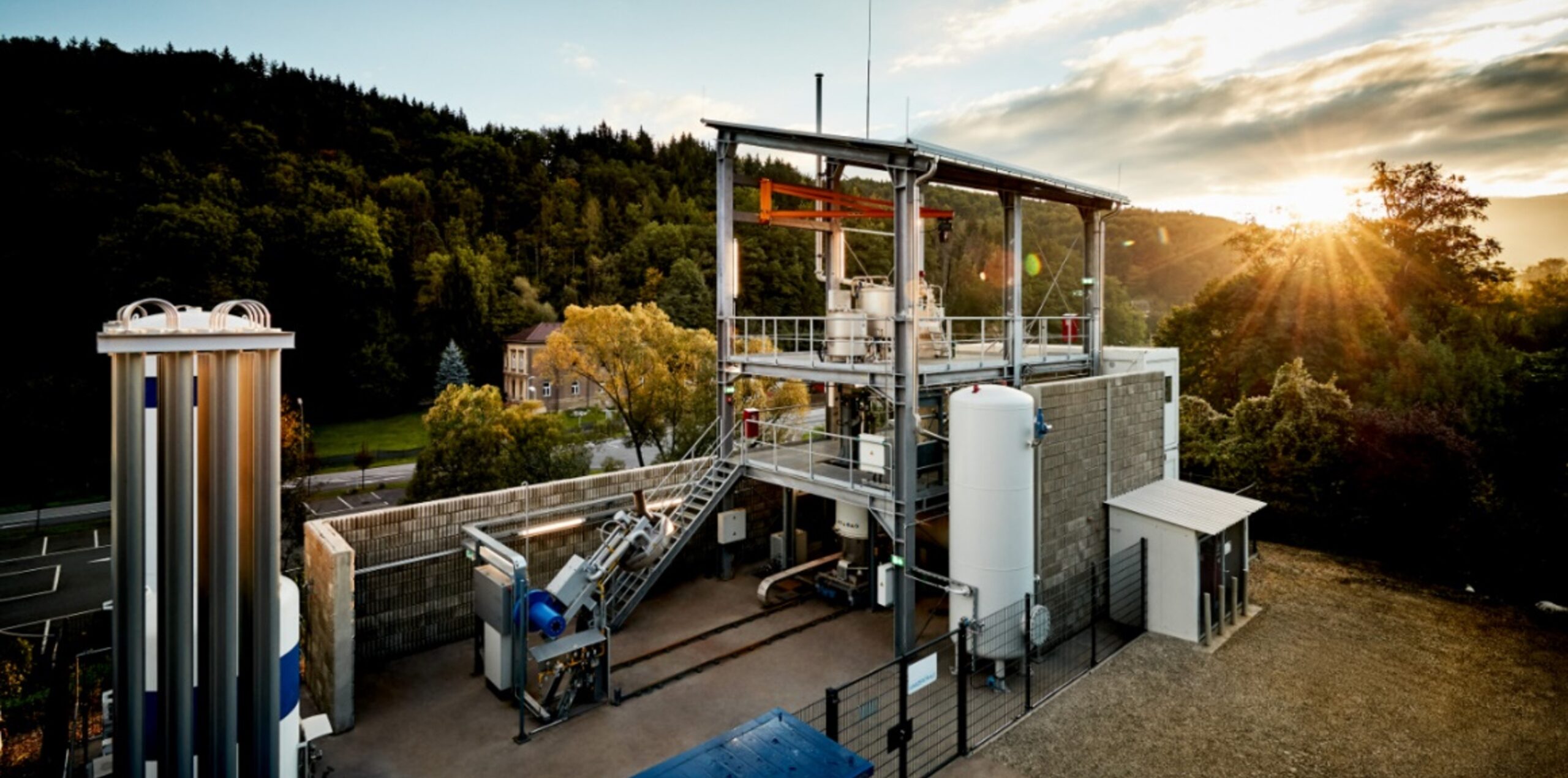
SuSteel Plant (© voestalpine Stahl Donawitz GmbH / K1-MET GmbH)
Factsheet
Beiträge Partner
K1-MET GmbH
Als österreichisches COMET-Kompetenzzentrum für Spitzenleistungen in der metallurgischen und umweltfreundlichen Prozessentwicklung, wird die K1-MET GmbH von der österreichischen Stahlindustrie maßgeblich unterstützt. K1-MET hat sich sowohl auf nationaler als auch internationaler Ebene an mehreren bedeutenden Forschungs- und Entwicklungsprojekten zur Reduzierung von CO2 beteiligt. Das Expertenwissen, das für das gegenwärtige SuS-F Projekt von großer Bedeutung ist, beinhaltet:
• Die Weiterentwicklung der bestehenden HPSR-Demoanlage in Donawitz.
• Die Verwendung von Wasserstoff oder Mischungen aus Wasserstoff und anderen inerten Gasen als Plasmagas zur Schmelzreduktion und von Eisenoxiden, sowohl im Labor- als auch im Pilotmaßstab.
• Umfassendes Wissen in Bezug auf die Charakteristik und Optimierung von Plasmabögen.
• Ein umfangreiches technologisches Fachwissen, gestützt durch ein starkes Netzwerk von Kooperationspartnern aus der Wissenschaft und Industrie.
Pirhofer Automation
Pirhofer Automation hat mehr als 15 Jahre Erfahrung im Bereich der Prozessautomatisierung mit PCS7, von der Version 6.0 bis zur aktuellen Version 9.1. Das Tätigkeitsfeld des Unternehmens umfasst die Automatisierung von Industrieanlagen in der Stahlindustrie sowie in der Pharmaproduktion. Für diese Aufgaben setzt Pirhofer Automation überwiegend Siemens-Automatisierungssysteme mit Schwerpunkt im Bereich der Prozessleittechnik ein. Gerade in diesem Zusammenhang ist es entscheidend, die bestmögliche Lösung für die Prozesse des Kunden auf Basis der besten verfügbaren Technologie zu bieten
Montanuniversität Leoben
Das HPSR-Verfahren wird seit 1998 an der Montanuniversität Leoben untersucht. In dieser Zeit haben die Forscher gezeigt, dass die Herstellung von Stahl mit Hilfe eines Wasserstoffplasmas nicht nur die CO2-Emissionen erheblich reduzieren kann, sondern auch das Potenzial hat, Stahl in einem einstufigen Prozess zu geringeren Kosten als die herkömmliche integrierte Route herzustellen. Bislang wurden sechs Doktorarbeiten und mehrere Master- und Bachelorarbeiten zu diesem Thema durchgeführt, um diese potenzielle Schlüsseltechnologie weiter zu verbessern.
voestalpine Stahl Donawitz GmbH
Als innovatives, führendes Unternehmen im Bereich der Eisen- und Stahlerzeugung verfügt die voestalpine Stahl Donawitz GmbH über eine breite Erfahrung aus vielen nationalen und internationalen F&E-Projekten. Das im Zusammenhang mit diesem Projekt relevante Know-how umfasst: Expertise in der Element-, Massen- und Energieflussanalyse der integrierten Eisen- und Stahlerzeugung, Durchführung von Stoffbewertungen und betriebliches Know-How zur Gasreinigung und Gasaufbereitung. Weiterhin befinden sich zwei Pilotanlagen zur Reduktion von Eisenerzen mit Wasserstoff vor Ort. Das Unternehmen unterstützt K1-MET bei der Entwicklung des HPSR-Verfahrens.
Voestalpine Stahl GmbH
Als innovatives, führendes Unternehmen im Bereich der Eisen- und Stahlerzeugung verfügt die voestalpine Stahl GmbH über eine breite Erfahrung aus vielen nationalen und europäischen F&E-Projekten. Das im Zusammenhang mit diesem Projekt relevante Know-how umfasst:
– Expertise in Massen- und Energieflussanalysen der integrierten Eisen- und Stahlproduktion
– Durchführung von Labor-Reduktionsversuchen und Rohstoffbewertungen
– sowie betriebliches Know-how in der Eisen- und Stahlproduktion sowie in der Gasreinigung und -aufbereitung
Das Unternehmen unterstützt K1-MET bei der Entwicklung des HPSR-Prozesses.
Projektvideo
Sie sehen gerade einen Platzhalterinhalt von YouTube. Um auf den eigentlichen Inhalt zuzugreifen, klicken Sie auf die Schaltfläche unten. Bitte beachten Sie, dass dabei Daten an Drittanbieter weitergegeben werden.
Mehr InformationenGalerie
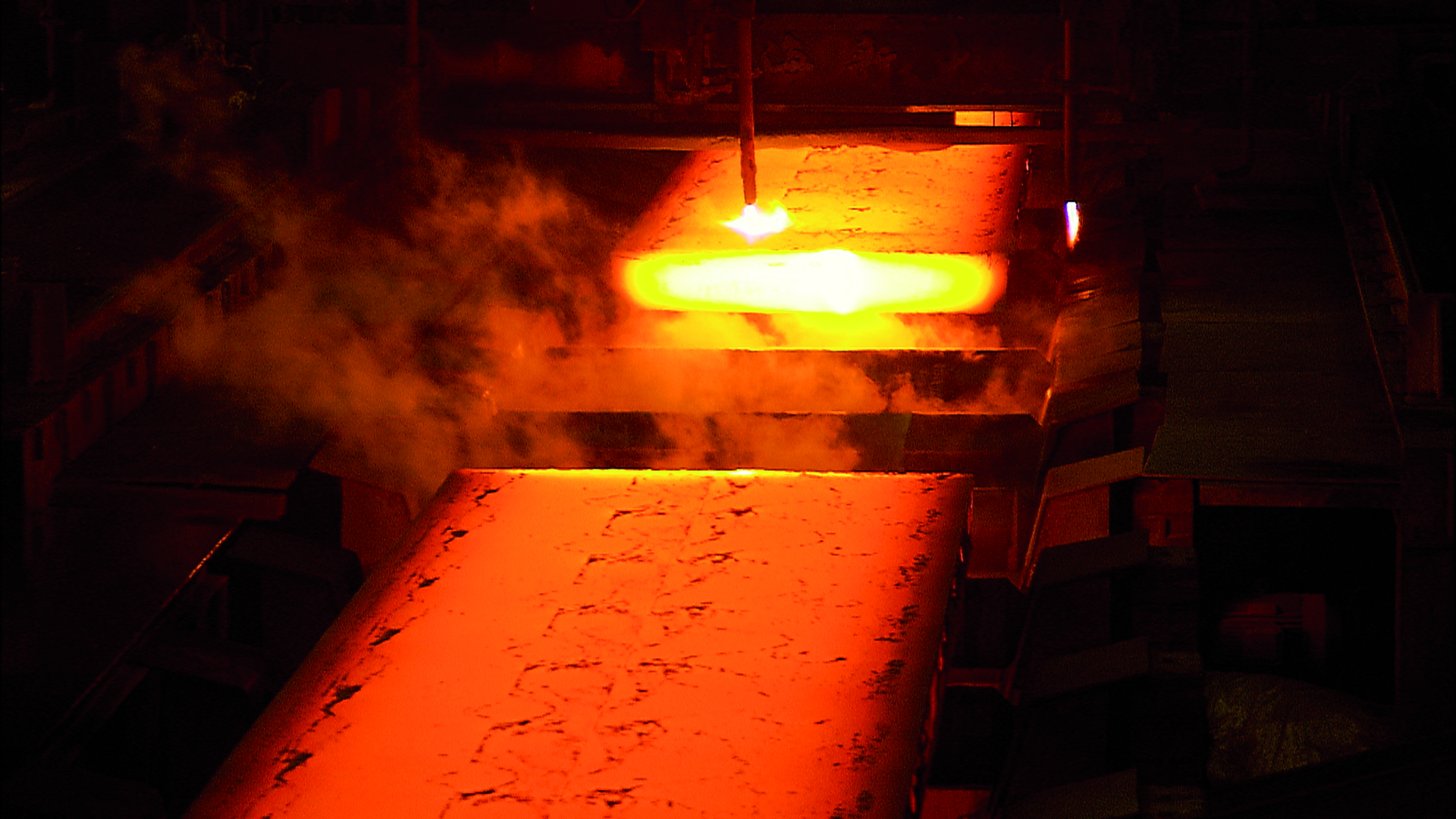
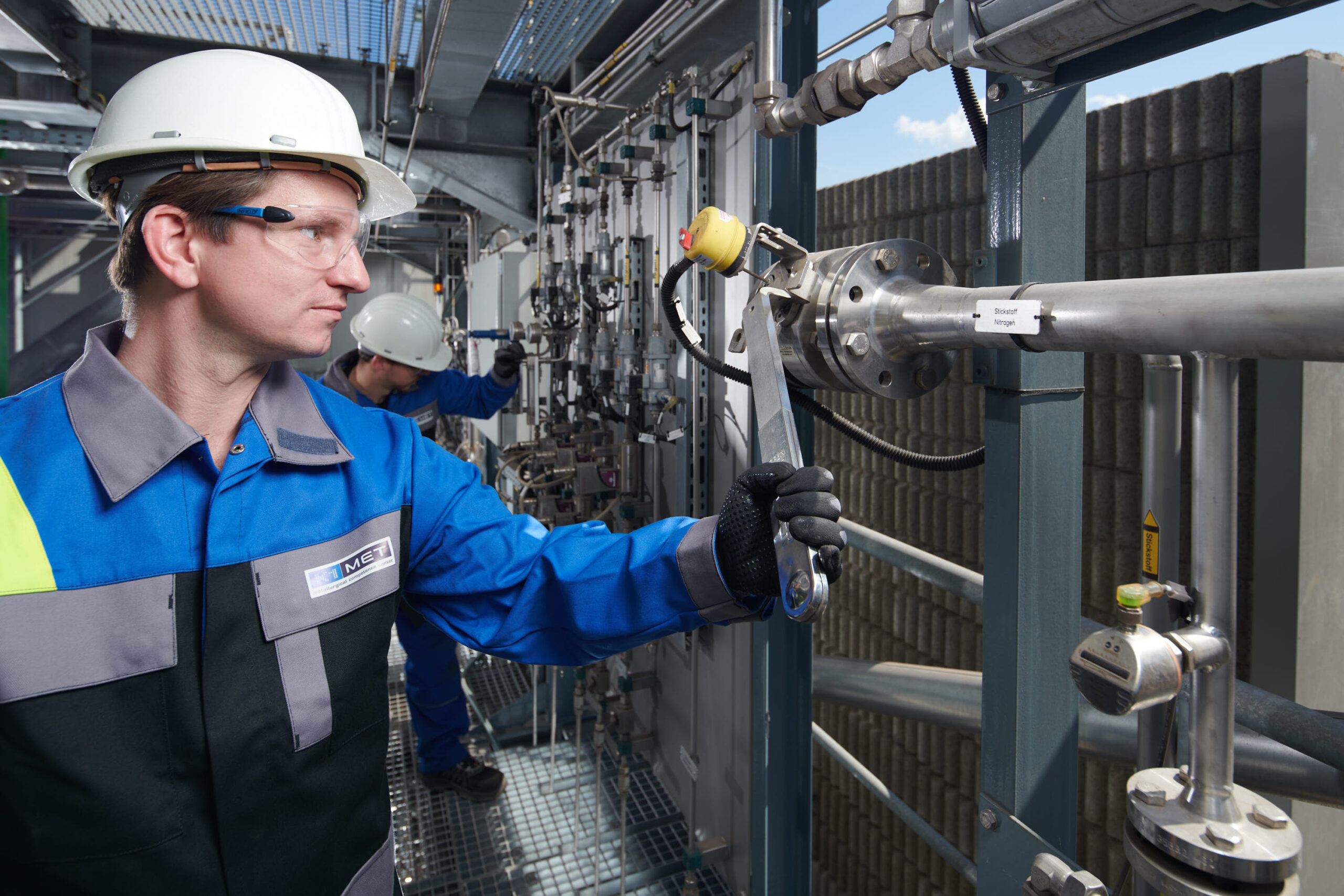
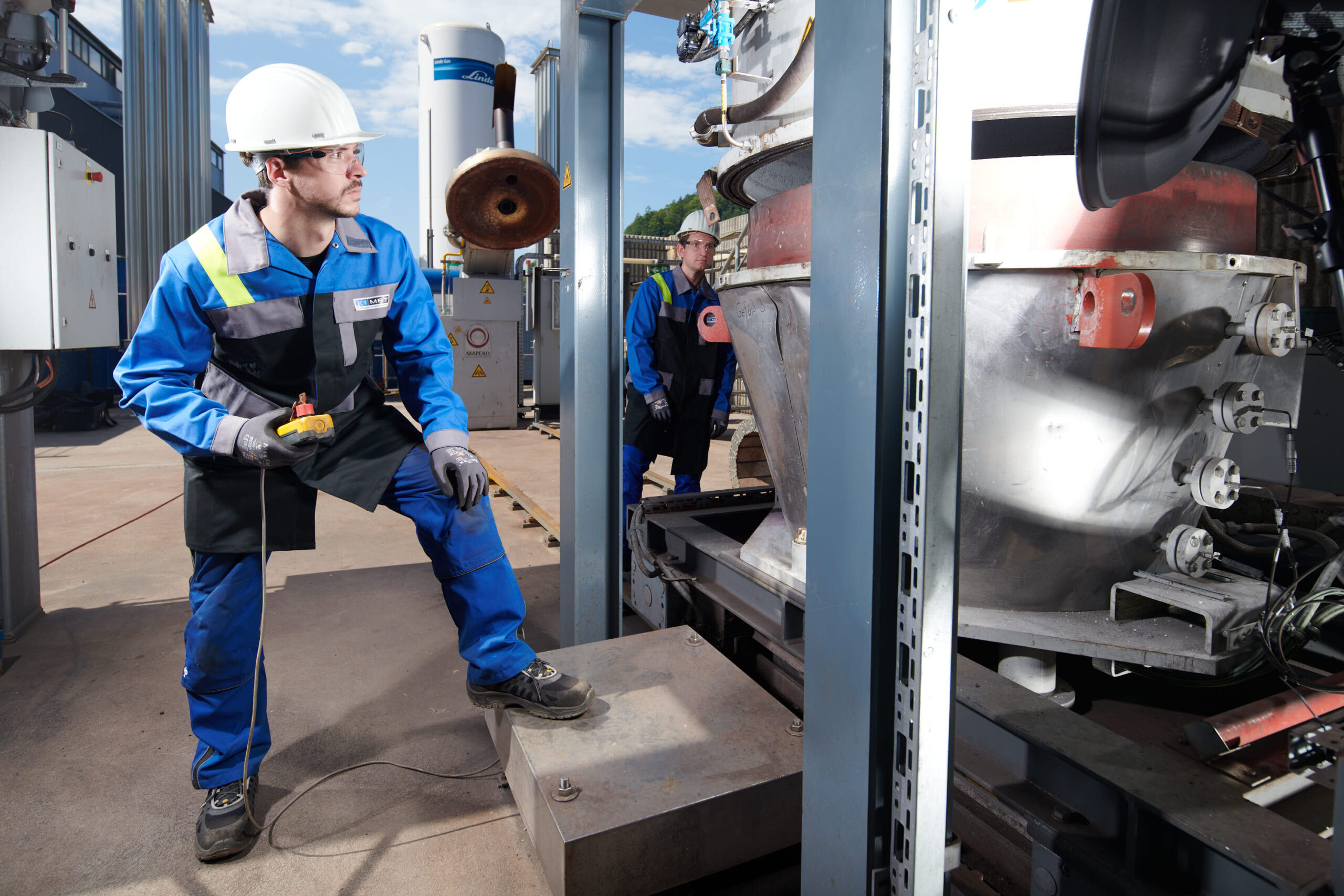
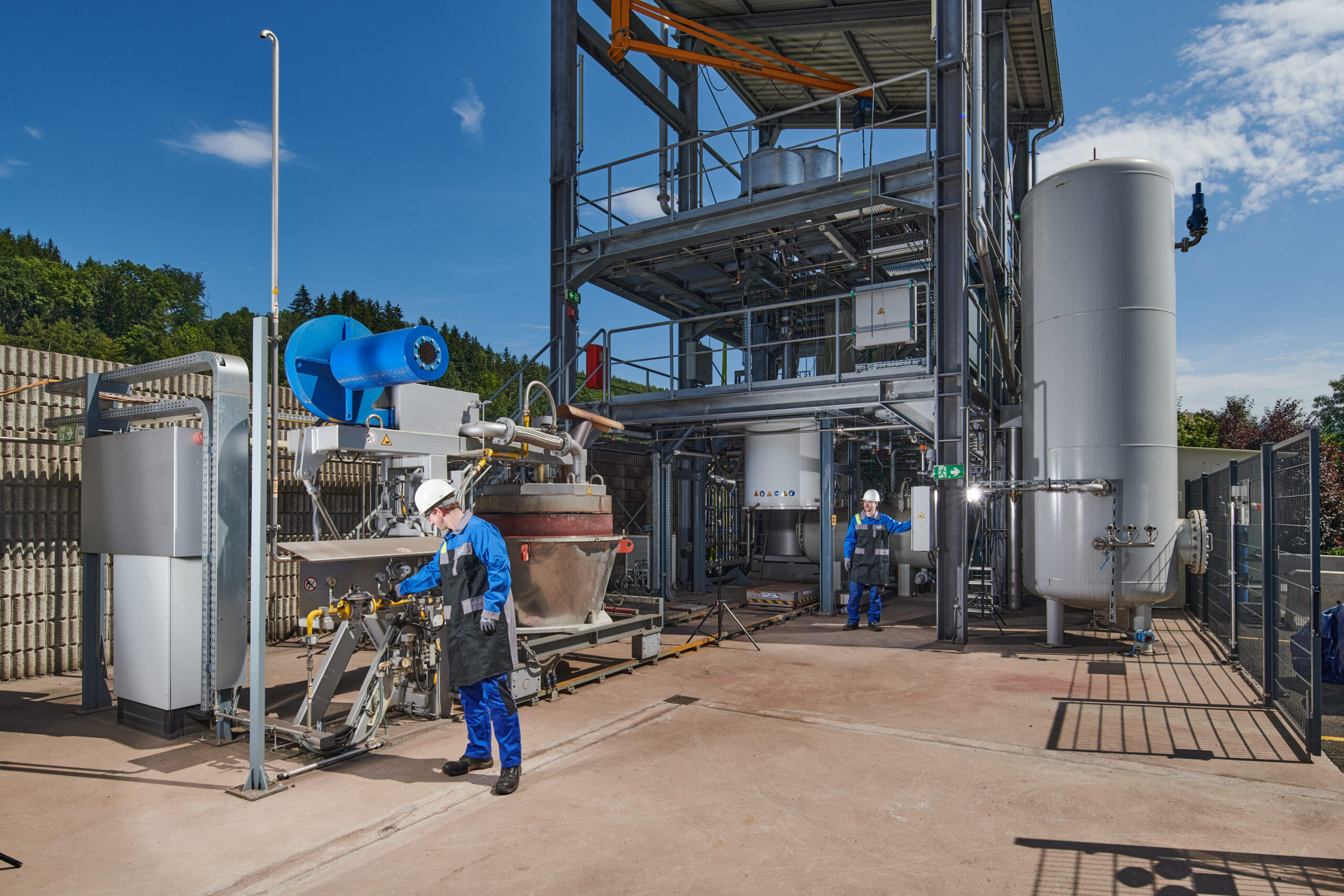
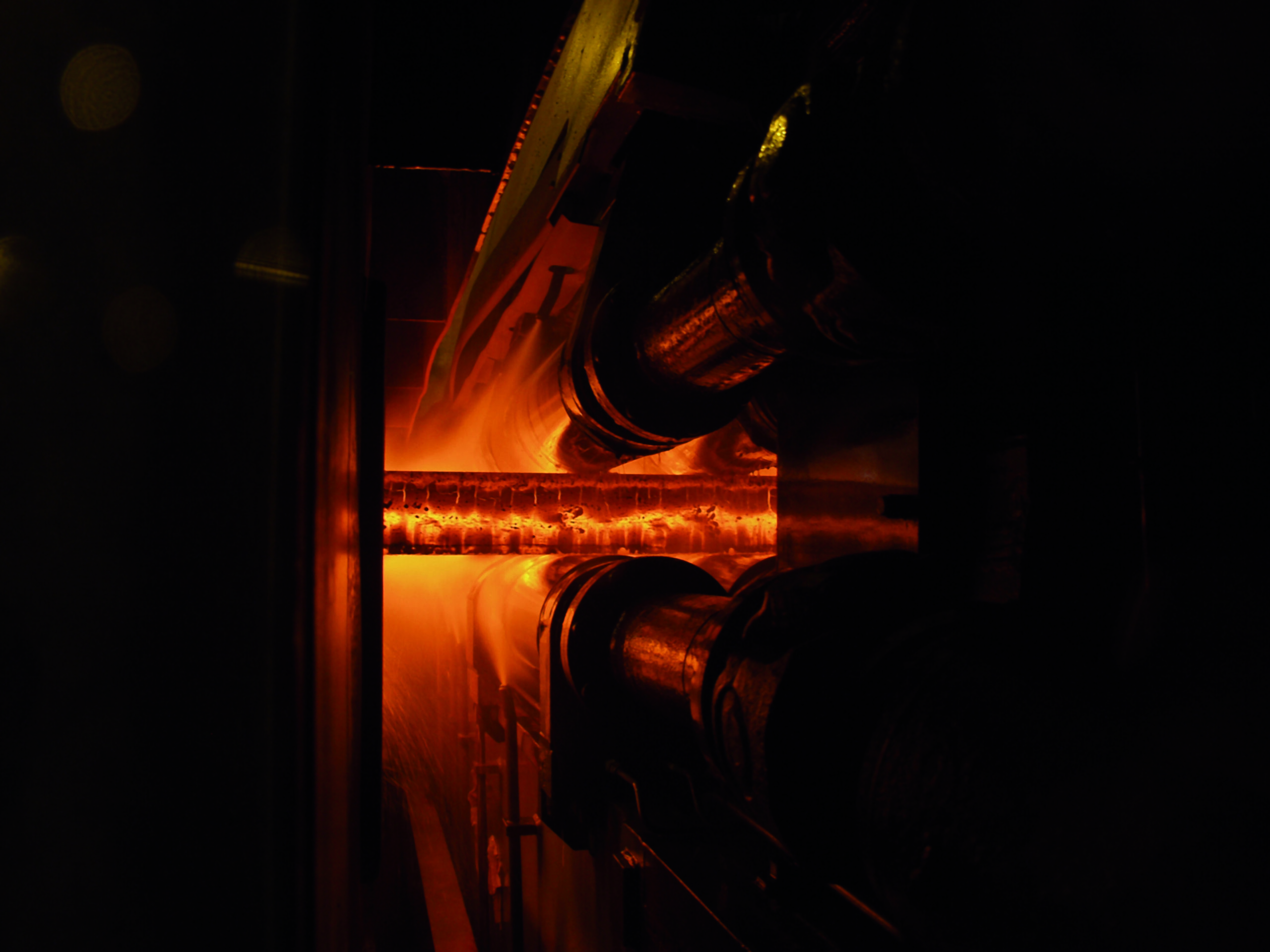
© Voestalpine Stahl Donawitz GmbH / K1-MET GmbH
Publikationen
Hydrogen plasma smelting reduction process monitoring with optical emission spectroscopy – Establishing the basis for the method.
In the world of ever-increasing demand for carbon-free steel, hydrogen and recycling have an undeniable role in achieving net-zero carbon dioxide emissions for the steel industry. However, even though steel is one of the most recycled materials globally, the quantity of steel that can be made from recycled steel will probably not match the demand in the future. This in turn means that steel must be also produced from the conventional resource, the iron ore. Hydrogen has been proposed as an environmentally friendly alternative to carbon as a reducing agent. To tackle the problems related to the usage of hydrogen for this purpose, hydrogen plasma smelting reduction has been studied extensively in the last few years. This article aims to provide means for process control of the hydrogen plasma, which may show erratic and chaotic behavior during the smelting process. The method used is optical emission spectroscopy, with which the plasma can be characterized, its composition can be evaluated, and its temporal evolution can be assessed. This study sheds light on how the plasma behaves with different electrode gaps and flow gas compositions together with how the position of the arc with respect to the center of the crucible can be assessed. In Ar/H2 plasma, the plasma temperatures derived with OES varied between 4000 and 10000 K, and up to a 26% decrease in electron density was observed when increasing the electrode gap in 1 cm increments.
Source: Pauna H., Ernst D., Zarl M., Aula M., Schenk J., Huttula M., Fabritius T. (2022): Hydrogen plasma smelting reduction process monitoring with optical emission spectroscopy – Establishing the basis for the method. In: Journal of Cleaner Production 372 (2022) 13375
Effects of the Electrodes’ Shape and Graphite Quality on the Arc Stability During Hydrogen Plasma Smelting Reduction of Iron Ores.
Reducing greenhouse gases (GHG), especially CO2, is necessary to counteract climate change. The European steel industry currently corresponds to 5.7% of the total EU emissions and must therefore minimize their GHG fractions in the future. One of the most promising technologies to eliminate CO2 emissions while directly reducing iron ore to steel in a single step is the hydrogen plasma smelting reduction. The stability of the plasma arc, which is determined by the properties and geometry of the graphite electrode, has a substantial impact on the process’ economic feasibility. To study the arc stability concerning the graphite quality, tip geometry, and electrode gap, a series of experiments is conducted. The results are evaluated to create stability maps and fields to identify stable process parameters. The geometry of the graphite cathode shows the primary influence on arc stability. Tips with a flat end (standard version) offering the most unstable and a machined step on the graphite cathode providing the most stable conditions. However, an additional coating to prevent side arcing leads to the deterioration of the arc. The two graphite grades tested, with different maximum grain sizes and price classes, show no great relevance to the stability of the arc.
Source: Ernst D., Zarl M. A., Farkas M. A., Schenk J. (2023): Effects of the Electrodes’ Shape and Graphite Quality on the Arc Stability During Hydrogen Plasma Smelting Reduction of Iron Ores. In: steel research int. 2023, 94, 2200818
Impact of Iron Ore Pre-Reduction Degree on the Hydrogen Plasma Smelting Reduction Process.
To counteract the rising greenhouse gas emissions, mainly CO2, the European steel industry needs to restructure the current process route for steel production. Globally, the blast furnace and the subsequent basic oxygen furnace are used in 73% of crude steel production, with a CO2 footprint of roughly 1.8 t CO2 per ton of produced steel. Hydrogen Plasma Smelting Reduction (HPSR) utilizes excited hydrogen states with the highest reduction potentials to combine the simultaneous reduction and smelting of iron ore fines. Due to the wide range of iron ore grades available worldwide, a series of hydrogen plasma experiments were conducted to determine how pre-reduced iron ore and iron-containing residues affect reduction behavior, hydrogen consumption, overall process time, and metal phase microstructure. It was discovered that, during the pre-melting phase under pure argon, wet ore increased electrode consumption and hematite achieved higher reduction levels, due to thermal decomposition. The reduction of magnetite ore yielded the highest reduction rate and subsequent hydrogen conversion rates. Both hematite and magnetite exhibited high utilization rates at first, but hematite underwent a kinetic change at a reduction degree of 80–85%, causing the reduction rate to decrease. In comparison to fluidized bed technology, it is possible to use magnetite directly, and the final phase of the reduction can move along more quickly due to higher temperatures, which reduces the overall process time and raises the average hydrogen utilization. A combination of both technologies can be considered advantageous for exhaust gas recycling.
Source: Ernst D., Manzoor U., Souza Filho I. R., Zarl M. A., Schenk J. (2023): Impact of Iron Ore Pre-Reduction Degree on the Hydrogen Plasma Smelting Reduction Process. In: Metals 2023, 13, 558.
In this work we investigate the feasibility and optimisation pathways for using oxide-filled consumable electrodes as both ore feeding system and reducing/melting arc carrier in the hydrogen plasma smelting reduction process. Similar in nature to Söderberg-type electrodes, but free of C-containing substances, this approach has the potential advantage of eliminating the carbon emissions stemming from conventional electric arc furnace electrodes while drastically simplifying the ore feeding into the process. Using a commercial welding setup with a 1.2 mm thick oxide-cored steel wire, area investigations indicate that approximately 50% of the introduced iron ore could be reduced to metallic iron at 100 A arc current under an Ar-10% H2 atmosphere independent from deposition time. The reduction efficiency was negatively affected by increasing arc current and it was increased by using the wire as the anode. Based on the performed variation of deposition parameters, microstructural characterisation results, high speed footage and first upscaling trials, the key scientific questions and engineering pathways for technological optmisiation towards future green steel production technology are outlined and discussed.
Source: H. Springer1, I. R. Souza Filho, L. Choisez M.A. Zarl, C. Quick, A. Horn, J. Schenk (2023): Iron ore wires as consumable electrodes for the hydrogen plasma smelting reduction in future green steel production. In: Sustainable Materials and Technologies, Volume 39, April 2024, e00785
The Optical Spectra of Hydrogen Plasma Smelting Reduction of Iron Ore: Application and Requirements
Abstract:
Hydrogen plasma smelting reduction (HPSR) offers a promising pathway for producing high-quality steel from iron ore while replacing carbon-based reducing agents and avoiding process-related CO₂ emissions. However, the highly dynamic behaviour of the plasma and its complex interaction with molten oxides require advanced process-monitoring and control methods. This study investigates the application of optical emission spectroscopy and image analysis at laboratory and pilot scale. It analyses the temporal development of relevant radiating species, including atomic hydrogen, iron, oxygen and FeO, and discusses the advantages, limitations and technical requirements of these methods for monitoring the HPSR process.
Source:
Pauna, H.; Ernst, D.; Zarl, M. A.; Souza Filho, I. R.; Kulse, M.; Büyükuslu, Ö.; Jovičević-Klug, M.; Springer, H.; Huttula, M.; Schenk, J.; Fabritius, T.; Raabe, D. (2024): The Optical Spectra of Hydrogen Plasma Smelting Reduction of Iron Ore: Application and Requirements. In: Steel Research International, Vol. 95, Issue 8, Article 2400028. https://doi.org/10.1002/srin.202400028(Montanuniversität Leoben)
Abstract:
Hydrogen plasma smelting reduction could substantially reduce the greenhouse-gas emissions associated with conventional iron and steel production. Further research is nevertheless required to improve process stability, reaction kinetics and operational control. This publication presents the development of a new laboratory-scale HPSR facility designed to overcome limitations of existing experimental systems, including restricted arc length, intensive refractory wear, strong cooling effects and unstable arc behaviour. The proposed multi-electrode direct-current arc furnace combines an optimised furnace geometry with independently powered electrodes, a controlled gas atmosphere and flexible auxiliary equipment. The concept provides an experimental basis for investigating HPSR process stability, iron-ore reduction and the hydrogen-plasma-based production of ferroalloys.
Source:
Hoffelner, F.; Zarl, M. A.; Schenk, J. (2024): Development of a New Laboratory-Scale Reduction Facility for the Hydrogen Plasma Smelting Reduction of Iron Ore Based on a Multi-Electrode Arc Furnace Concept. In: IOP Conference Series: Materials Science and Engineering, Vol. 1309, Article 012012. https://doi.org/10.1088/1757-899X/1309/1/012012 (Open-access publication)
Abstract:
To improve the hydrogen and thermal efficiency of hydrogen plasma smelting reduction, a pre-reduction and pre-heating stage is planned for the future scale-up of the SuSteel follow-up demonstration plant to a target capacity of 200 kg of iron ore per hour. This study evaluates three potential reactor concepts: a fluidised-bed cascade, a cyclone cascade and a rotary kiln. Their fundamental designs, operating principles, applicability to HPSR and critical technical characteristics are systematically compared. Based on the assessment, a cyclone cascade comprising at least three stages is identified as the preferred solution for pre-heating and pre-reducing the feed material of the scaled-up HPSR plant.
Source:
Adami, B.; Hoffelner, F.; Zarl, M. A.; Schenk, J. (2025): Strategic Selection of a Pre-Reduction Reactor for Increased Hydrogen Utilization in Hydrogen Plasma Smelting Reduction. In: Processes, Vol. 13, Issue 2, Article 420. https://doi.org/10.3390/pr13020420 (Montanuniversität Leoben)
Abstract:
This study introduces an optimisation-based method for designing metal–slag experiments in the hydrogen plasma smelting reduction process. The approach combines computational thermodynamics with machine-learning-based surrogate modelling. The optimisation simultaneously considers the conversion or reduction degree of iron oxide and the phosphorus partition ratio. Slag composition is optimised within the CaO–SiO₂–FeO–Al₂O₃–MgO system, while constraints for effective viscosity and the slag-to-metal mass ratio ensure the industrial relevance of the calculated experimental conditions. The method supports the systematic planning of experiments and the identification of promising operating windows for the further development of HPSR.
Source:
Vuolio, T.; Zarl, M.; Lappeteläinen, I.; Javed, A.; Visuri, V.-V. (2025): Optimization-Based Experimental Design of Metal–Slag Experiments in the Hydrogen Plasma Smelting Reduction Process. In: Journal of Physics: Conference Series, Vol. 3050, Article 012009. https://doi.org/10.1088/1742-6596/3050/1/012009 (University of Oulu repository)
Advancing Hydrogen Plasma Smelting Reduction: Experimental Insights from a Pilot Plant
Abstract:
This study examines hydrogen plasma smelting reduction at pilot scale using a facility designed for up to 100 kg of iron ore per trial. It describes the pilot-plant configuration and evaluates key parameters relevant to further process scale-up. The investigations cover thermal insulation, different refractory materials and various feedstocks, including pre-reduced iron ore. The results show that the gangue content significantly influences reduction behaviour. Improved thermal insulation enhances the separation of metal and slag phases while reducing energy consumption, and phosphate-bonded magnesia decreases refractory wear. The findings provide important insights into the optimisation of HPSR process conditions at pilot scale.
Source:
Adami, B.; Farkas, M. A.; Schenk, J.; Zarl, M. A. (2026): Advancing Hydrogen Plasma Smelting Reduction: Experimental Insights from a Pilot Plant. In: Matériaux & Techniques, Vol. 114, Issue 1, Article 105. https://doi.org/10.1051/mattech/2025029 (Montanuniversität Leoben)
Abstract:
Hydrogen plasma smelting reduction could enable the direct, single-step production of low-carbon ferrochromium or stainless steel from chromite while substantially reducing the carbon footprint of conventional production routes. The reduction of chromium oxide is challenging because of its thermodynamic stability, high melting temperature and the complex spinel phases present in chromite ores. This study investigates the reduction of pure Cr₂O₃ and mixtures containing selected acidic and basic fluxes. The influence of hydrogen flow rate, melting temperature, oxide activity and crucible material is evaluated, supported by thermodynamic calculations. The results provide initial evidence for the feasibility of using HPSR for the sustainable production of chromium-bearing alloys.
Source:
Jafarzadeh, M.; Saraçoğlu, M.; Zarl, M. A.; Ernst, D.; Michelic, S. K. (2026): Hydrogen Plasma Smelting Reduction of Cr₂O₃/Chromite: Challenges, Insights, and Initial Results of Direct and Sustainable Stainless-Steel Production. In: Matériaux & Techniques, Vol. 114, Issue 3, Article 306. https://doi.org/10.1051/mattech/2026003 (Open-access publication)
Projekt News
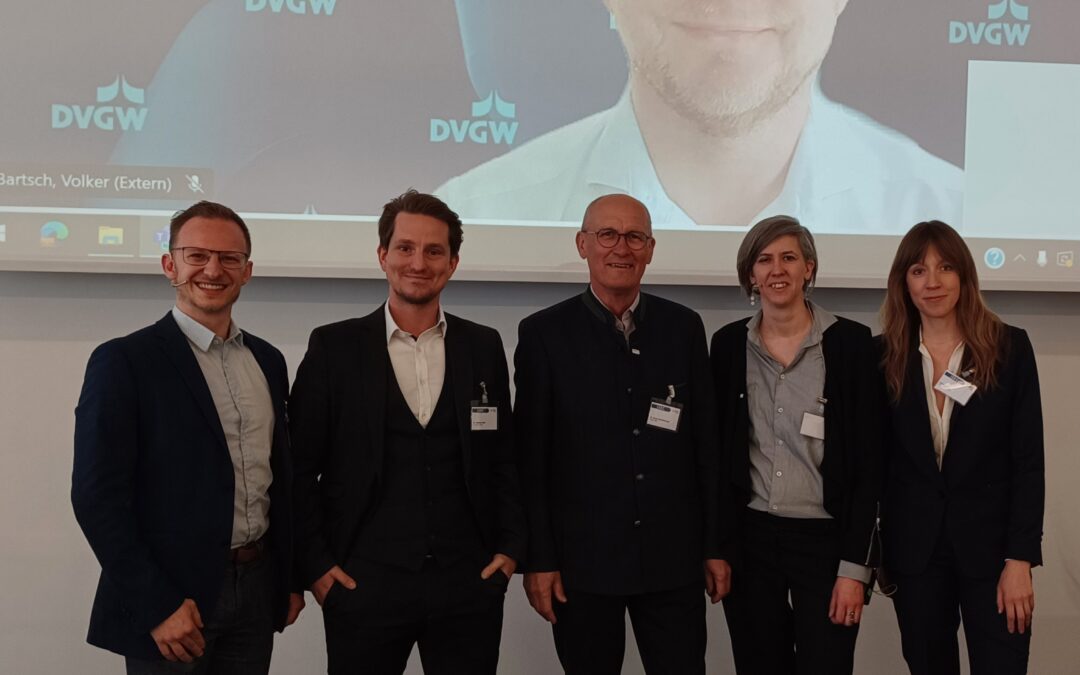
WIVA P&G Session @ ISEC 2024
Hydrogen – A key factor to a Sustainable Economic System WIVA P&G Session at the 3rd international Sustainable...
#GreenSteel #Research #Innovation
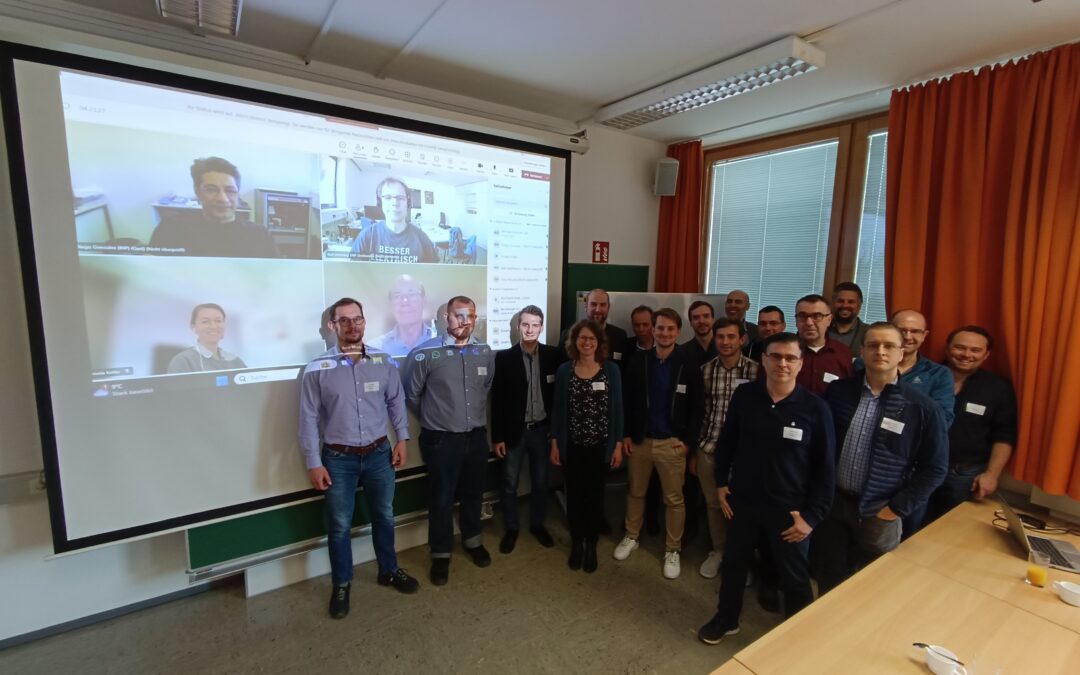
Spannende Einblicke wurden auf unserem hybriden Disseminationsworkshop in Leoben geteilt! 31 Teilnehmer:innen kamen...
Hydrogen Plasma Smelting Reduction: The Way to Carbon Free Steelmaking
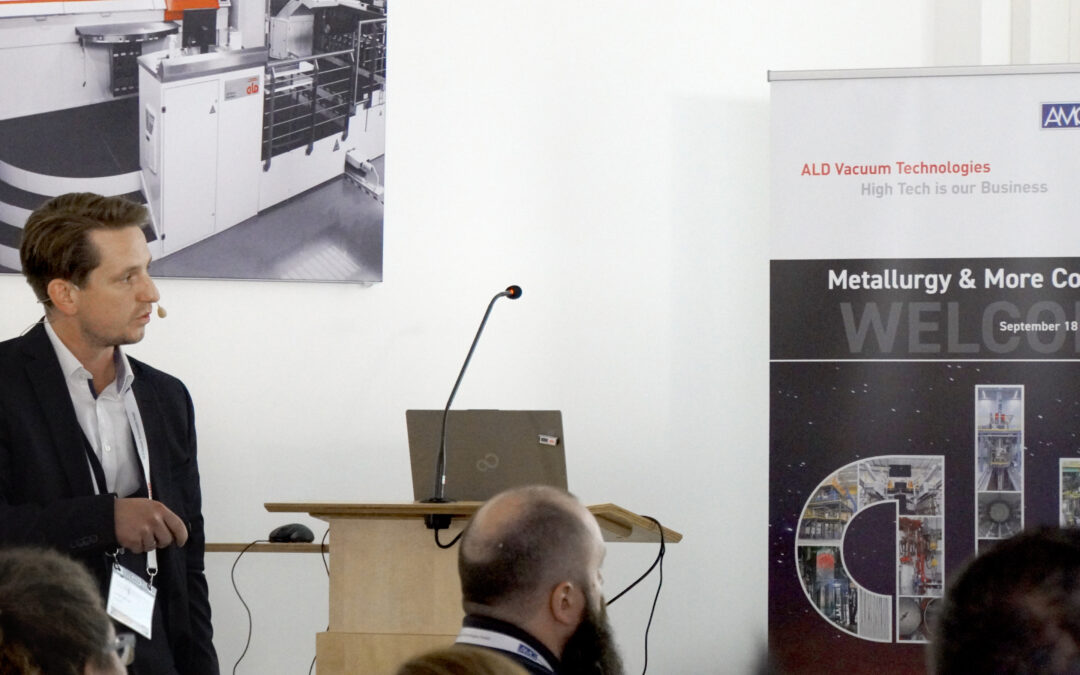
Die „Metallurgy & More“ Konferenz 2023 konzentrierte sich auf betriebliche Aspekte, neue Entwicklungen und...
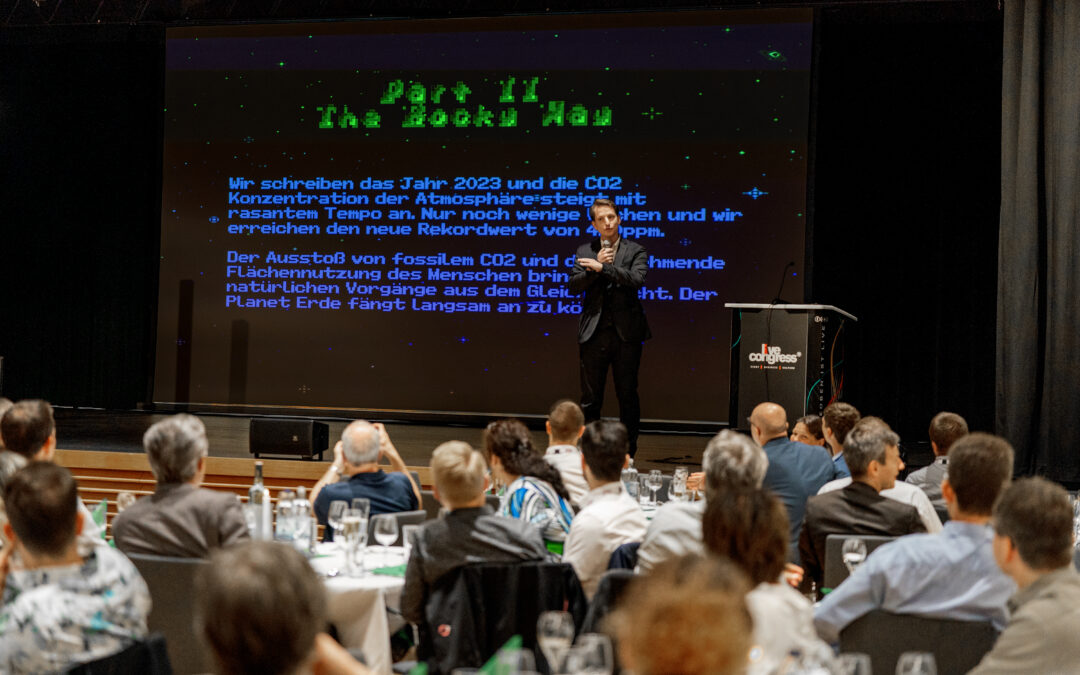
Die Revolution in der Stahlindustrie: Der (steinige) Weg zum grünen Stahl.
Im Rahmen der 57. Metallographie Tagung 2023 hielt Michael Zarl (Projektleiter SuS-F) einen Gastvortrag unter dem...
- Projekt Koordinator
- Projekt Partner
K1-MET GmbH
Montanuniversität Leoben
Pirhofer-Automation e.U.
voestalpine Stahl Donawitz GmbH
WIVA P&G - Kategorie Grüne Industrie
- Laufzeit 10/2022-03/2027
- Förderinfo Dieses Projekt wird aus Mitteln des Klima- und Energiefonds gefördert und im Rahmen des Programms „Vorzeigeregion Energie“ durchgeführt.
Name der Institution: FFG
Projektnummer: 894616